
ASK DR. LENNIE APRIL 2026
Shaping Learning at Every Stage: What evolves as students grow—and the core conditions every learner needs to see, hear, move, and belong.
Q)
Can you talk about how the design of classrooms differs between elementary, middle, and high schools? What are some design principles that apply to supporting learners across all of these ages, and what are some differences?
A)
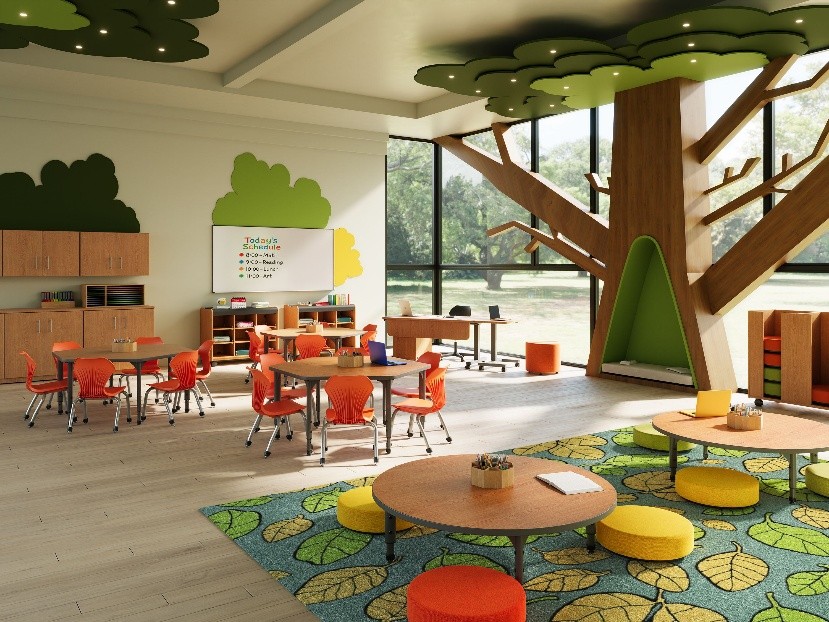
Of course, and thanks for this question. First, is the realization that these cohorts have different sizes of individuals. Second, comfort is impacted by the size of seat and table heights. Think of providing a variance in these items, particularly for tables – standing height, seating height, and floor tables, along with the appropriate seating, makes a big difference in student agency across these age cohorts.
Design principles/students have to be able to:
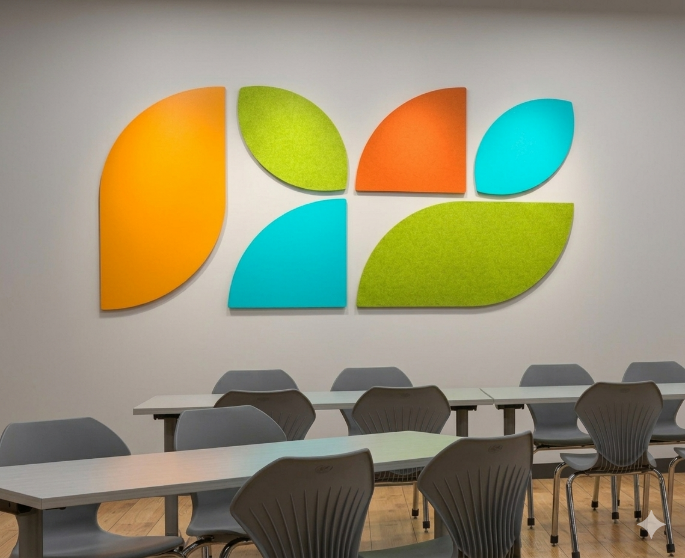

BELONGING / provide opportunities for students to feel connected to each other and to nature. Use table shapes to encourage engagement practices, and definitely add biophilic tenants to each learning place [see: https://madebymarco.net/product-category/accessories/ ]. When one has a sense of belonging, well-being is enhanced, as well as a feeling of safety and security.
