
Ask Dr. Lennie 3: How does furniture align with student expectations?
Marco’s “Ask Dr. Lennie” Q&A
Ask Dr. Lennie features insights from Dr. Lennie Scott-Webber, Ph.D., Marco’s Education Consultant and a recognized leader in educational design research. Drawing on decades of academic and industry experience, she shares practical guidance on how furniture and space decisions influence learning outcomes.
Q: In what ways does the furniture align with student expectations for comfort, flexibility, and wellness while supporting retention and recruitment goals?
A) Thanks for this question. It seems to have a few components, so I’ll share what we know and what isn’t as clear. First, comfort [ergonomic and kinesthetic (ability to move)] are both critical in any ‘line of work.’ And sitting needs to support the human for extended periods of time. That being said, there is also a need to support what we call the ‘mindless’ movement needs, like fidgeting and wiggling. These needs are often also associated with those with ADHD and individuals going through growth spurts. Our bodies have to move to learn! Flexibility is an interesting term. In several programs I teach, I break this often-over-used word into three parts and refer to them as F3: F(1)

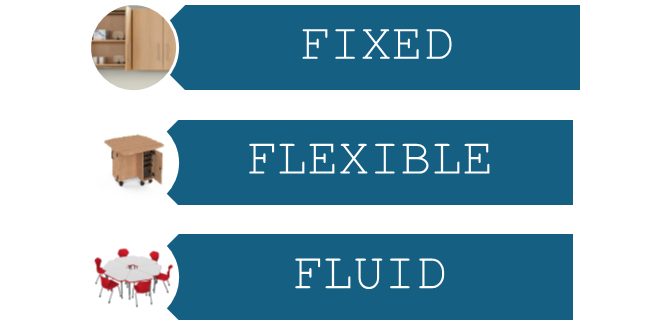
Fluid; Fluid means items are on casters, glides, or small enough to be picked up. The key is actually to understand the functional requirements of the learning practice and balance the F3 needs accordingly. Practice then solution.


See what you see. An example is that the campus says we are welcoming and friendly. The potential student walks onto that campus, and the first sign they see is, “Don’t walk on the grass.” Two different messages. What is your message, and how is it manifested in reality?
Wellness is even more complex. What we do know is that it is important for people to feel they belong, have connections to the community, and have access to nature in order to thrive. The research work from biophilic tenants has proved to be a strong predictor of this need.
Here is hoping you find these insights helpful. Dr. L.
